
Deoxynucleoside therapy improves function in adults with TK2d
Long-term deoxynucleoside therapy improved walking ability, strength and breathing in adults with thymidine kinase 2 deficiency (TK2d).
Long-term deoxynucleoside therapy improved walking ability, strength and breathing in adults with thymidine kinase 2 deficiency (TK2d).

A recent study provides a better way to understand and classify primary mitochondrial disorders, such as thymidine kinase 2 deficiency (TK2d).

Researchers estimate TK2d may affect between 0.34 and 2.82 per million pregnancies worldwide, depending on how gene variants are counted.

mitoSHARE is working to improve research on mitochondrial disease by collecting real-life health information from patients around the world.

Patients with TK2d began symptoms at a mean age of 3.6 years, leading to wheelchair dependence by a mean age of 7.0 years.
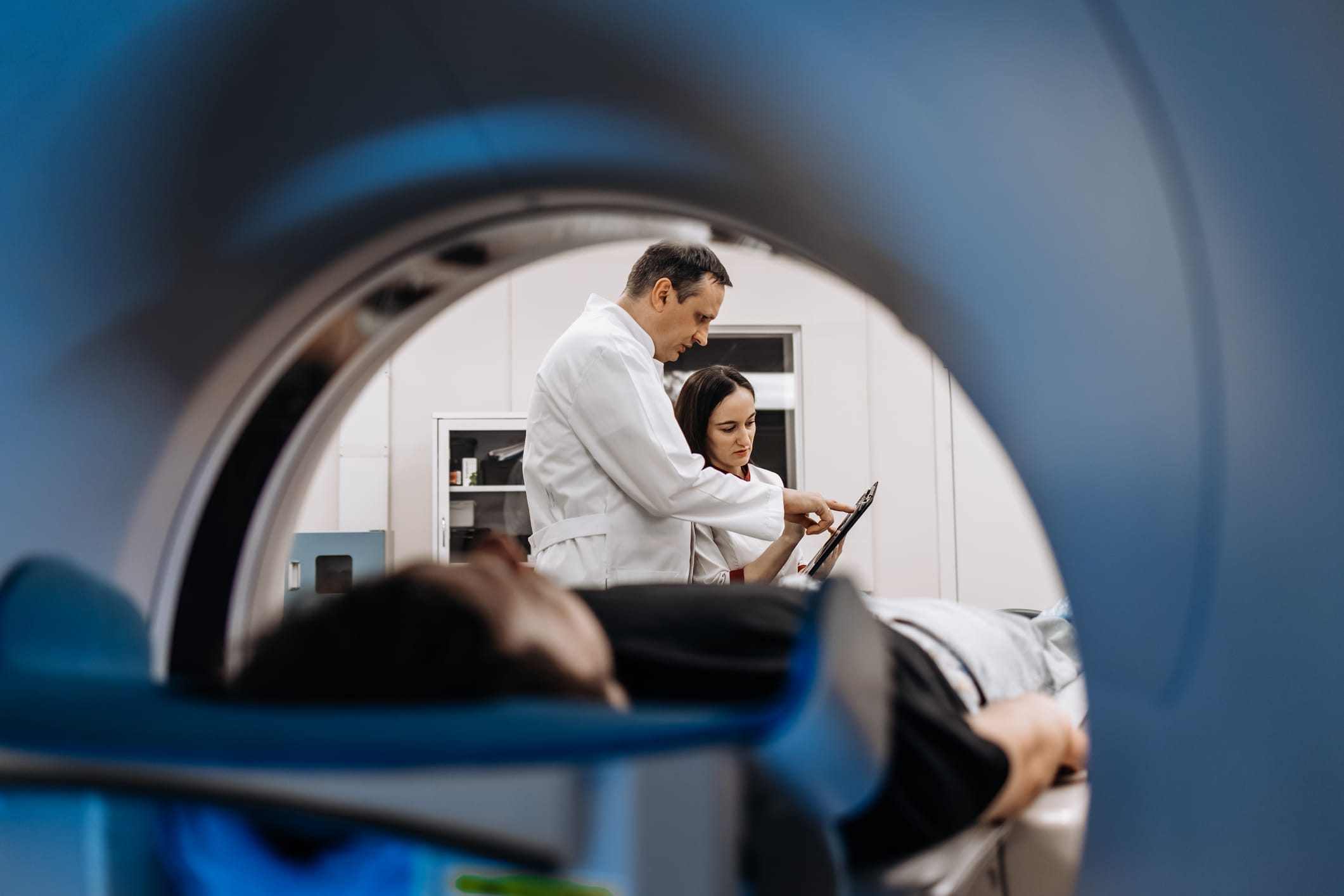
A recent study evaluated EEG and MRI findings for signs of status epilepticus, a complication of mitochondrial diseases such as TK2d.

Muscle biopsy remains a valuable diagnostic tool when genetic testing does not provide clear or complete answers, including in TK2d.

As progress is made in treating primary mitochondrial disorders such as TK2d, doctors may need to rethink how they talk about prognosis.

New genetic tests and targeted treatments are improving diagnosis and care for muscle diseases like thymidine kinase 2 deficiency (TK2d).

Patients with a mitochondrial disease called MELAS syndrome were found to have a high rate of obstructive sleep apnea and poor sleep quality.