
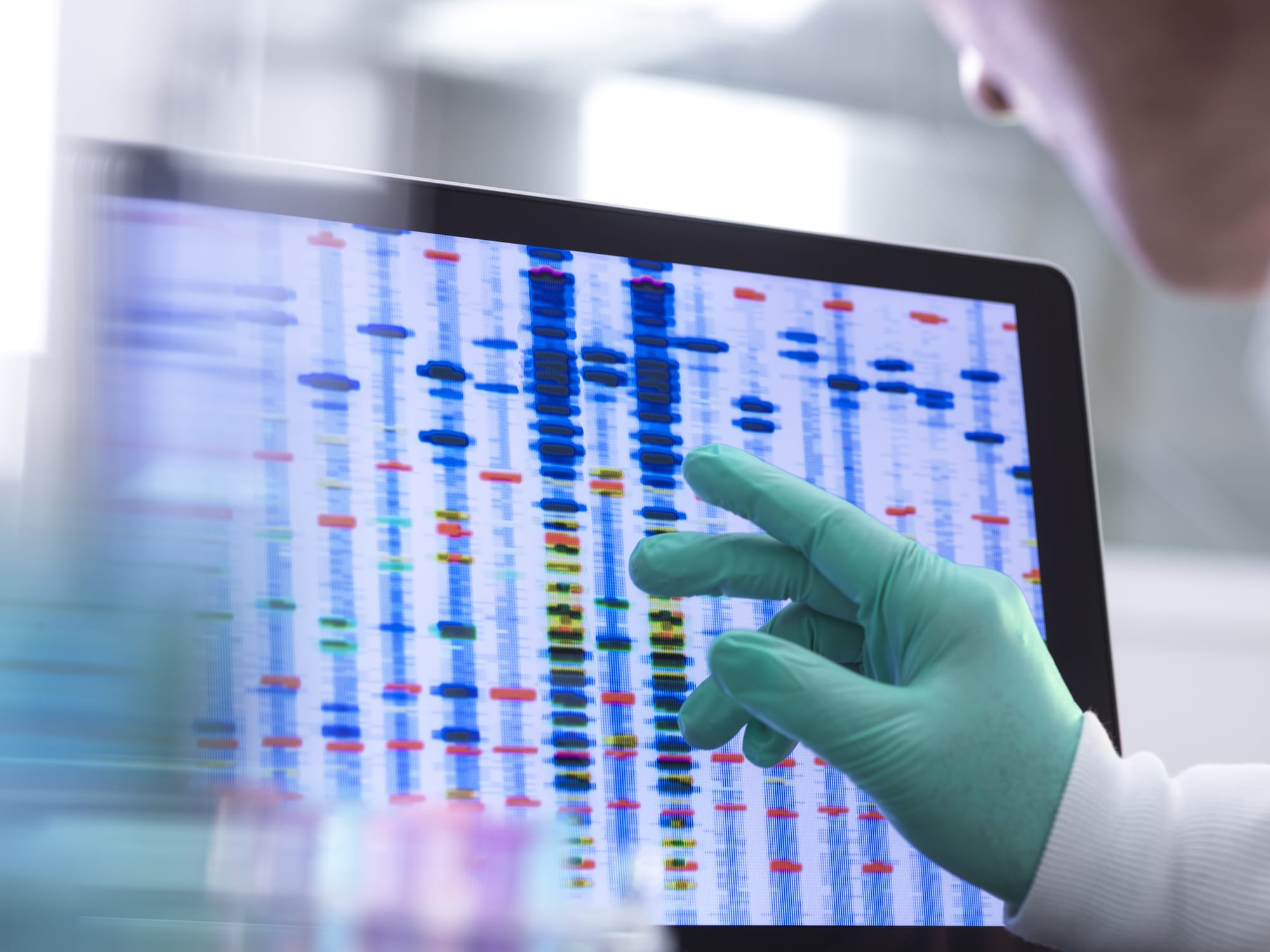
Thymidine kinase 2 deficiency (TK2d) is a rare genetic disorder that impairs how the body produces energy inside cells, leading to progressive muscle weakness.
Because it is genetic, families often wonder whether it can be passed down and what that means for relatives, future pregnancies and family planning. Understanding how TK2d is inherited can help everyone feel more informed and prepared.
Understanding the genetics behind a TK2D diagnosis
TK2d is caused by mutations in the TK2 gene, which plays an important role in maintaining mitochondrial DNA. Mitochondria, often described as the “power house” of a cell, need healthy DNA to function properly. When the TK2 gene doesn’t work as it should, cells can struggle to produce enough energy.
Learn more about TK2d causes and risk factors
Because the condition starts at the genetic level, it’s not caused by lifestyle, diet or anything a parent did during pregnancy. It occurs due to inherited genetic variants.
The inheritance pattern: Autosomal recessive
TK2d follows what is known as an autosomal recessive inheritance pattern. This means a child must inherit two mutated (non-working) copies of the TK2 gene — one from each parent — to get the disorder.
Individuals who have one mutated copy and one normal one are called carriers. They typically do not have symptoms because their other copy of the TK2 gene still works properly.
When both parents are carriers, each pregnancy has:
- A 25% chance the child will have TK2d.
- A 50% chance the child will be a carrier.
- A 25% chance the child will inherit two working copies and not be affected or a carrier.
Because carriers usually have no symptoms, many families are surprised by a TK2d diagnosis. It’s common for parents to discover they are carriers only after a child is diagnosed. People can live their entire lives without knowing they carry the genetic variant.
What a TK2d diagnosis means for other family members
When someone is diagnosed with TK2d, other members of the family should consider genetic testing to see if they might have the disorder or are carriers.
Siblings, for example, have a 25% chance of also having TK2d and a 50% chance of being a carrier since they share the same parents as the affected person. Extended relatives, such as cousins, might also have a recessive copy of the gene.
Genetic testing can mean earlier diagnosis, and earlier treatment. Since treatment can now help slow down the progression of TK2d, earlier diagnosis often means better long-term health.
When planning future pregnancies, individuals who know they are carriers have several options, including prenatal testing during pregnancy and preimplantation genetic testing with in-vitro fertilization (IVF).
A genetics counselor can explain these options and help families choose what feels right for them.
Sign up here to get the latest news, perspectives, and information about TK2d sent directly to your inbox. Registration is free and only takes a minute.
