
A diagnosis of thymidine kinase 2 deficiency (TK2d) primarily relies on genetic testing to identify variations in the TK2 gene. However, it’s not usually the first step of the diagnostic journey.
One of the firsts tests a patient is more likely to have is a creatine kinase (CK) test. This simple blood test can provide immediate clues about muscle stress and help guide the diagnostic journey. Here is why CK testing is performed, and what the results can tell you and your medical team.
What is creatine kinase?
Creatine kinase (CK) is an enzyme found in the skeletal muscles, heart and brain. Its role is to help cells store and use energy.
Under normal conditions, CK remains inside the muscle fibers; however, when these cells are damaged or stressed, the enzyme leaks into the bloodstream. Elevated CK levels in the blood can indicate someone has a muscle disorder that is weakening their muscle tissue.
Is a CK test enough to diagnose TK2d?
While a CK test can reveal important information, it doesn’t show whether or not someone has TK2d. Rather, it helps doctors decide what the next steps of testing should look like.
There are two primary reasons why a CK test must be interpreted with caution:
- Results aren’t specific: As previously mentioned, CK is a general marker of muscle stress. Elevated CK levels can be triggered by a wide range of factors, from intense physical exertion to other neuromuscular disorders. A high result confirms the presence of muscle damage, but it does not identify the underlying cause.
- CK levels aren’t always high in TK2d: In some individuals, particularly those with late-onset TK2d, CK levels may be only slightly higher than normal, or may even be in the high end of the normal range. Relying solely on this test could delay diagnosis if the results are not considered alongside the patient’s other testing results and symptoms.
Read more about TK2d testing and diagnosis
How is CK testing performed?
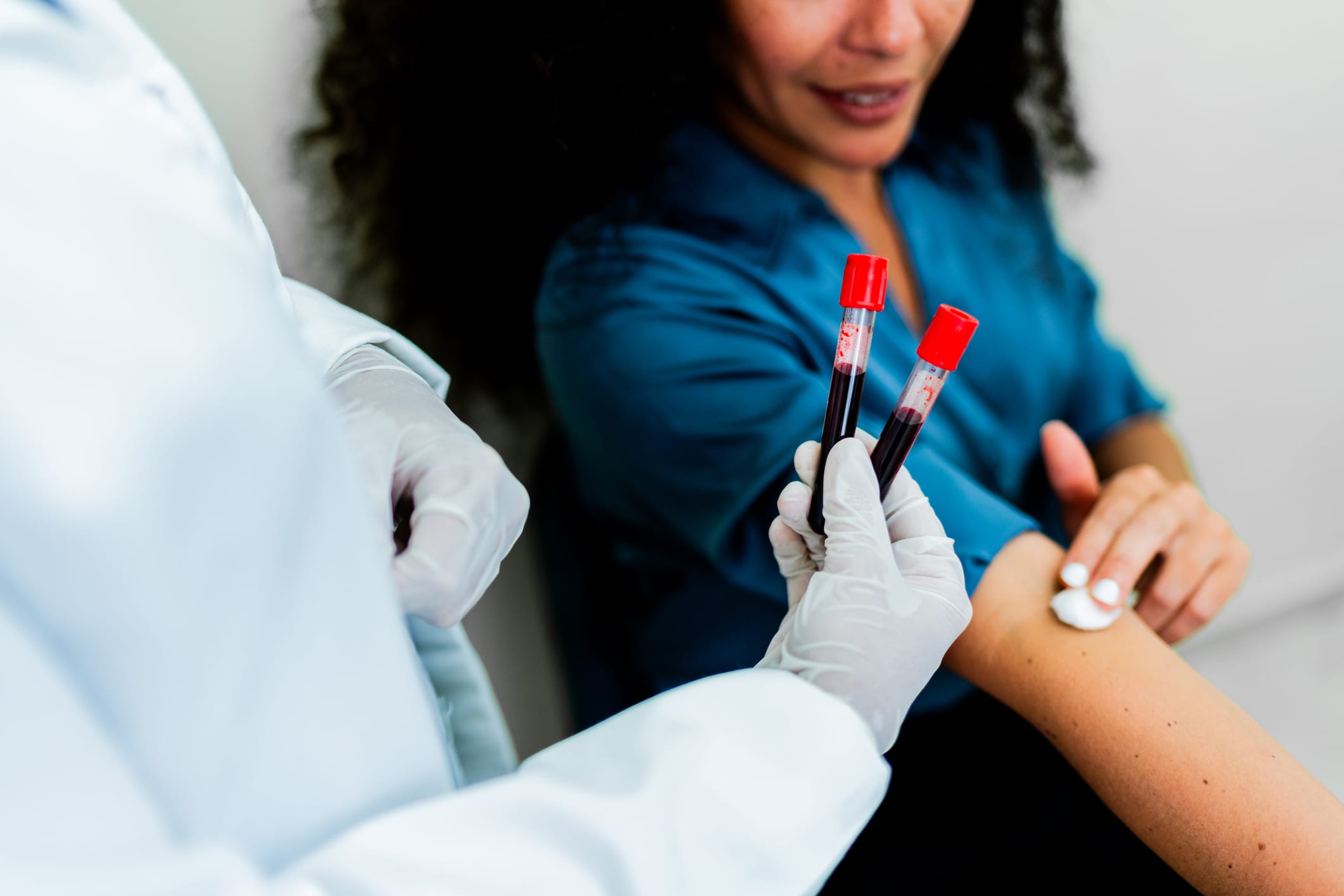
A creatine kinase test is basically a simple, routine blood test. Unlike a muscle biopsy, which is also an essential part of TK2d diagnosis, a CK test requires only a few minutes and involves no recovery time.
If you haven’t had a blood draw in awhile (or never had one before), you should know that they are quick and routine. A small sample of blood will be collected from a vein, usually in your arm. The process follows a few standard steps:
- The technician will clean the skin at the injection site with an antiseptic.
- A temporary elastic band will be placed around your upper arm to make the vein easier to access.
- A small needle will be inserted to collect the blood sample into a specialized vial.
While you may feel a brief pinch or a stinging sensation when the needle enters the skin, any discomfort is minimal and fades almost immediately.
You can eat and drink as normal before the test. However, to ensure the most accurate results, it is recommended that you avoid alcohol and strenuous physical activity for at least 48 hours before the draw. Intense exercise can cause a temporary, natural spike in CK levels.
Once the sample is collected, a small bandage will be applied, and you can return to your daily routine immediately. Results are generally processed quickly, often within a few days, providing your medical team with the data needed to determine the next steps in your diagnostic journey.
Sign up here to get the latest news, perspectives, and information about TK2d sent directly to your inbox. Registration is free and only takes a minute.