
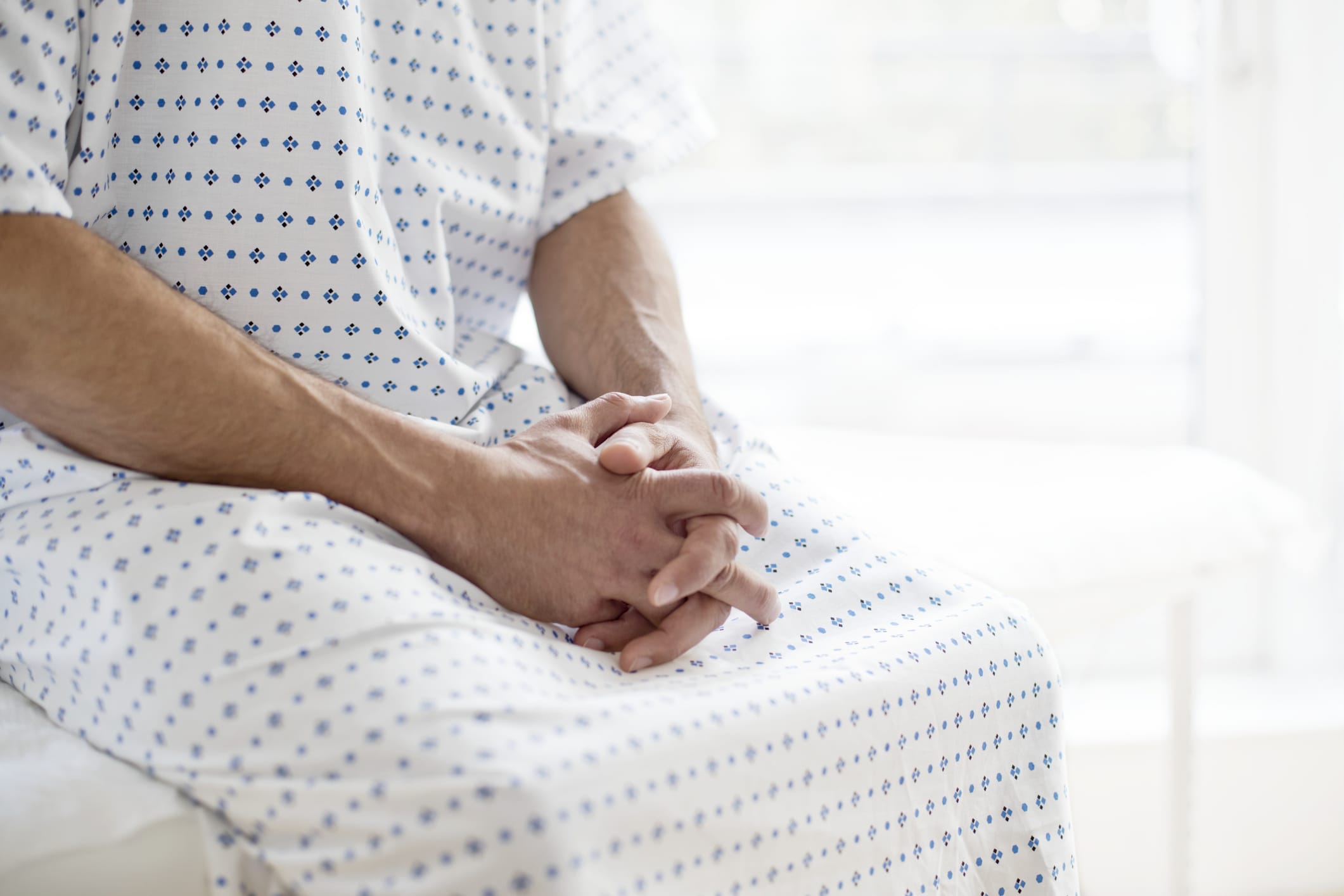
A diagnosis of thymidine kinase 2 deficiency (TK2d) primarily relies on genetic testing, but a muscle biopsy can provide valuable insights and confirm the diagnosis. Here’s why they’re performed, and what to expect during the procedure.
What is a muscle biopsy?
A muscle biopsy removes a small sample of tissue from the upper thigh. The sample is then analyzed to look for signs of disease.
A muscle biopsy is a relatively minor surgical procedure. It is performed under local anesthesia to numb the area. Sedation or general anesthesia may also be used, especially when performed on a child.
What is the role of a muscle biopsy in TK2d?
TK2d was first identified in 2001 and remains underdiagnosed and underrecognized due to a lack of awareness and its similarity to other neuromuscular diseases. As a result, the journey to a diagnosis following the onset of symptoms can take time. However, if the correct diagnostic tools are used, a diagnosis of TK2d can be made quite quickly.
Genetic testing identifies variations in the TK2 gene and is the cornerstone of an accurate diagnosis of TK2d, but a muscle biopsy is also an essential part of confirming the diagnosis. Blood tests are also often recommended, but changes in mitochondrial DNA are easier to detect in muscle tissue than in blood samples.
In cases where genetic test results are ambiguous, a muscle biopsy will confirm mitochondrial dysfunction and a diagnosis of TK2d.
A muscle biopsy measures the levels of mitochondrial DNA depletion and also serves to clarify certain aspects of the disease. A muscle biopsy can identify ragged-red fibers (abnormal muscle cells that indicate mitochondrial disease), identify the enzymes present and measure how the muscle is functioning.
Learn more about TK2d treatment and care
What to expect during a muscle biopsy
The procedure is straightforward and should take 30-60 minutes to perform.
Before the procedure: Your healthcare team will check your medical history and overall health, then explain the procedure and pain relief. You may be asked to fast beforehand. Most often, the procedure is performed under local anesthesia, but sedation may be required for children or if respiratory weakness is a factor.
During the procedure: The area of the biopsy will be cleaned. Local anesthesia will be administered to the upper thigh to reduce discomfort and avoid movement. An incision is made in the thigh muscle, and a tissue sample is taken. You may feel pressure or a pulling sensation during this step.
After the biopsy: Your focus will be on caring for the incision site, to prevent infection and ensure effective healing. You are likely to have a small scar from the incision.
It may take three to four weeks for full biopsy results to be available. They will be compared against your genetic test results, and your healthcare team will explain the diagnosis and next steps.
Sign up here to get the latest news, perspectives, and information about TK2d sent directly to your inbox. Registration is free and only takes a minute.