
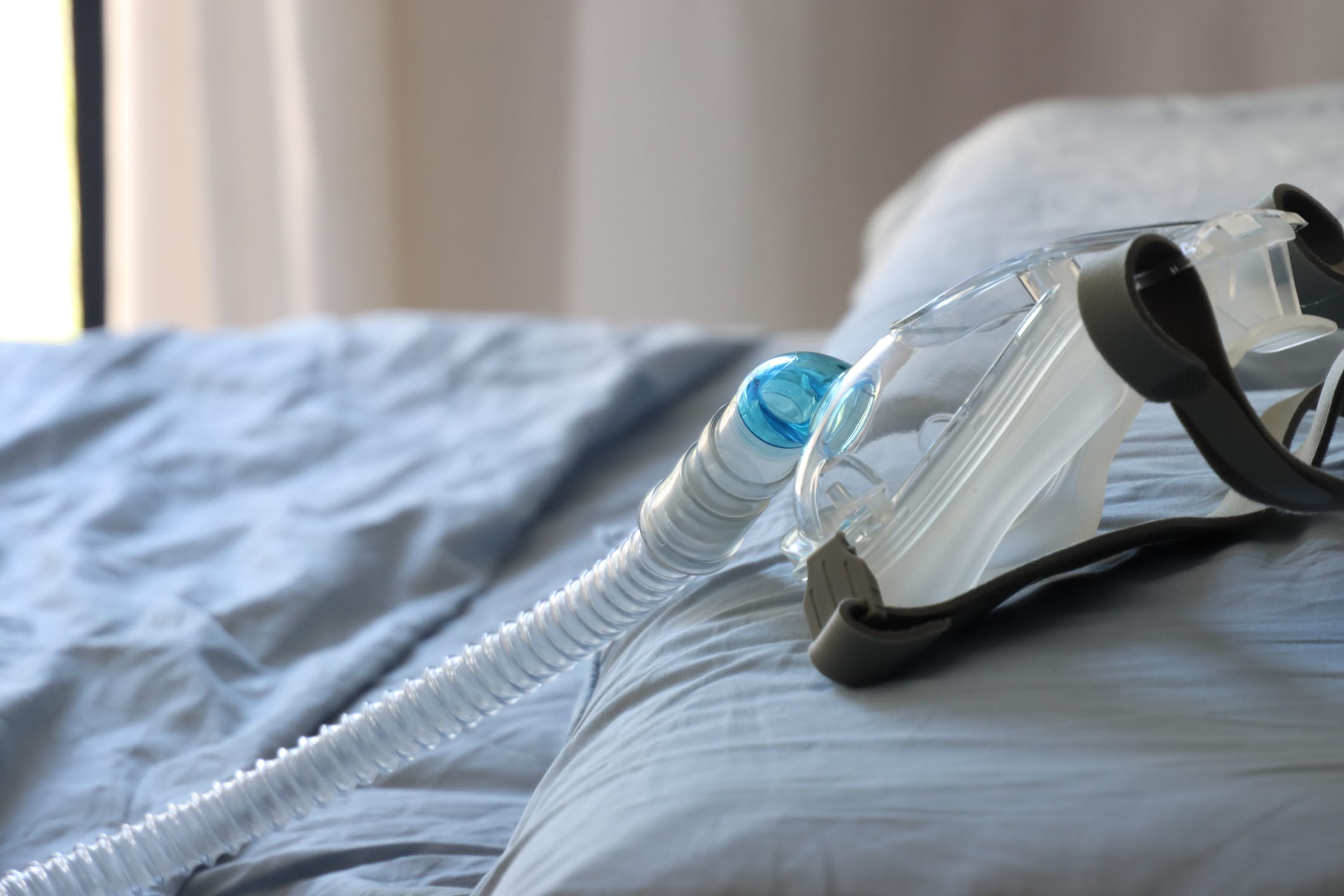
Respiratory muscle weakness is one of the most serious complications of thymidine kinase 2 deficiency (TK2d). For many patients, a bilevel positive airway pressure (BiPAP) machine becomes an essential part of daily life. Here is what patients and caregivers need to know about this form of ventilation.
Why do patients with TK2d need breathing support?
TK2 deficiency impairs muscle cells’ ability to produce energy, leading to progressive weakness throughout the body. The respiratory muscles, including the diaphragm and the muscles between the ribs, are often significantly affected. As these muscles weaken, the lungs cannot fully expand, leading to hypoventilation — a condition in which the body does not take in enough oxygen or expel enough carbon dioxide.
According to research on late-onset TK2 deficiency, nearly all patients develop respiratory muscle weakness, and the majority eventually require noninvasive mechanical ventilation.
Symptoms that may signal breathing difficulties include:
- Waking up with headaches.
- Excessive daytime sleepiness or fatigue.
- Shortness of breath when lying flat.
- Frequent nighttime awakenings.
- Poor concentration or mood changes.
These symptoms often appear first during sleep, when the breathing muscles are most relaxed.
Read more about how respiratory therapy can help in TK2d
What is a BiPAP machine?
BiPAP stands for bilevel positive airway pressure. It is a type of noninvasive ventilation (NIV), meaning it supports breathing through a mask worn over the nose or face, without the need for a breathing tube or surgery.
The machine delivers two levels of air pressure:
- A higher pressure when you inhale, to help push air into the lungs.
- A lower pressure when you exhale, making it easier to breathe out.
BiPAP is the most commonly used form of NIV in neuromuscular disorders, and is considered a standard of care for respiratory failure in this setting.
What are the benefits of BiPAP?
Research in people with neuromuscular disease who use BiPAP machines shows that they may:
- Reduce symptoms of hypoventilation such as morning headaches and daytime sleepiness.
- Improve sleep quality.
- Slow the decline in lung function.
- Reduce hospitalizations.
- In some cases, prolong survival.
Most patients begin using BiPAP at night only. As the disease progresses, daytime use may be added.
What to expect in daily life
Adjusting to BiPAP takes time, and it is normal to find the mask uncomfortable at first. A few things that can help:
- Try different mask types, nasal masks, nasal pillows, or full face masks to find the best fit.
- Nasal or mouth dryness is common; adjusting the humidity settings on your device or using a heated tube can help manage this.
- Keep the machine and mask clean according to manufacturer instructions to reduce infection risk.
- Modern BiPAP devices can transmit data to your care team remotely, allowing for settings to be adjusted without an in-person visit.
Work with your respiratory therapist or other members of your care team to find the most comfortable settings. Adjustments can be made over time to ensure you are getting adequate support.
When to talk to your doctor
Speak with your care team if you notice any of the symptoms listed above, or if you are already using BiPAP and experience:
- Continued fatigue or poor sleep despite treatment.
- Mask leaks or skin irritation.
- New or worsening shortness of breath during the day.
Sign up here to get the latest news, perspectives, and information about TK2d sent directly to your inbox. Registration is free and only takes a minute.
