
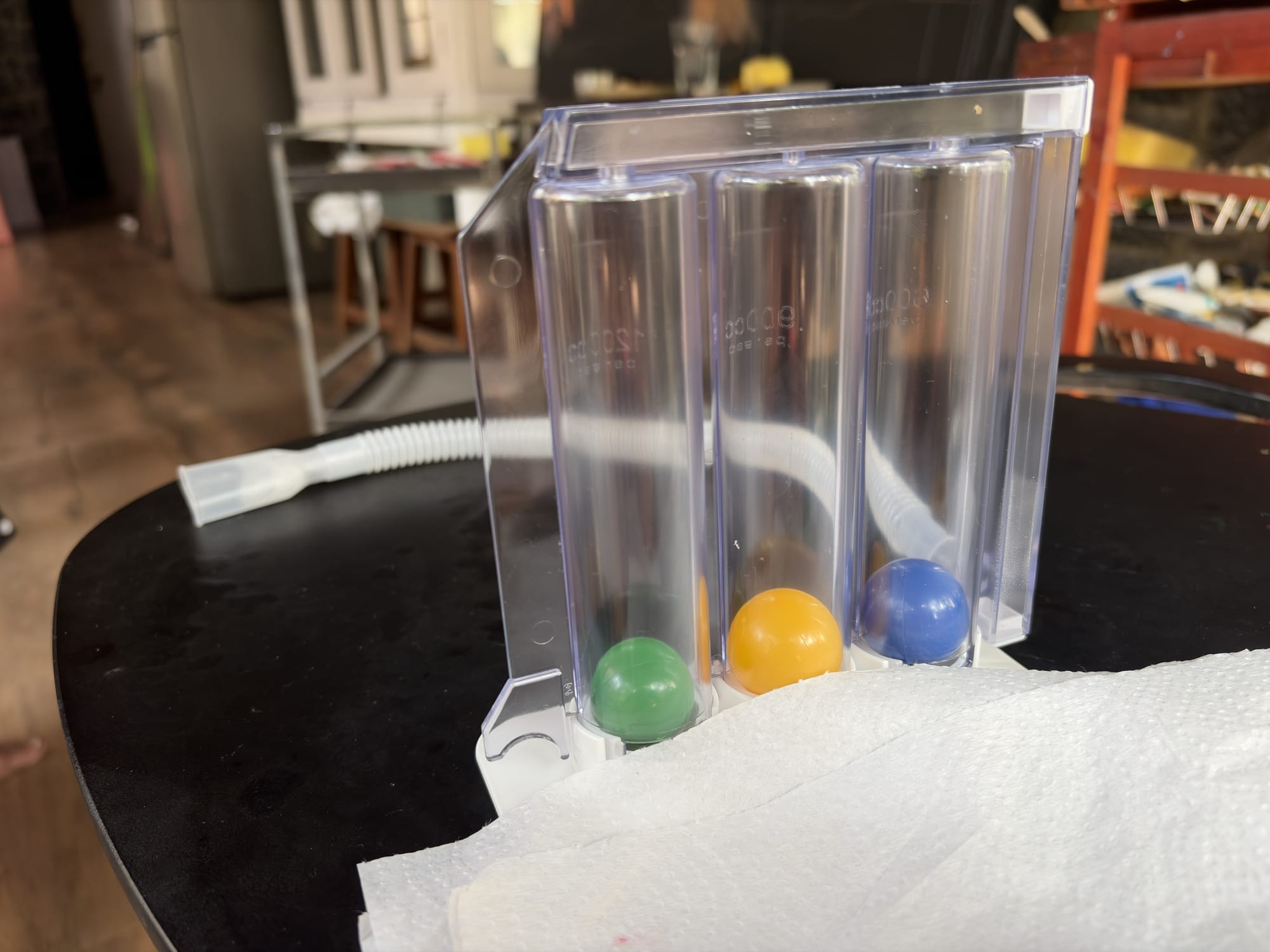
In thymidine kinase 2 deficiency (TK2d), the functional muscles begin to fail over time. The muscles used for breathing are no exception. Supportive care and respiratory support is essential to maintaining function and quality of life.
What is a respiratory therapist?
A respiratory therapist helps manage conditions that affect the lungs and maintain breathing. They may work in a clinic or visit patients at home to manage ventilators, run tests, clear airways or provide other care and support.
A respiratory therapist will coordinate with a pulmonologist, physical therapist and other members of a larger care team to tailor therapy according to each patient’s individual needs.
Read more about TK2d care teams
Why is respiratory therapy needed in TK2d?
Just like other muscles in the body, muscles used for breathing need energy to work. In TK2d that energy is limited, which causes breathing problems.
As the muscles used in breathing gradually weaken, the risk of respiratory failure increases. Lung expansion diminishes, leading to shallow breathing, reduced oxygen levels and associated fatigue.
The effort required to cough becomes physically taxing and less effective. This can lead to mucus buildup in the lungs, blocked airways and a greater risk of respiratory infection and even pneumonia.
Breathing while sleeping also becomes shallower, with an impact on the levels of carbon dioxide in the body. Headaches, daytime sleepiness and fatigue are common symptoms.
Respiratory therapy is therefore recommended in people living with TK2d to support and strengthen the muscles of the respiratory system.
What does respiratory therapy involve?
Earlier on in the disease, a respiratory therapist can help reinforce muscle strength and delay the need for mechanical ventilation through:
- Breathing exercises to help improve lung expansion and oxygen intake, such as deep breathing and controlled breathing. An incentive spirometer may be used to encourage intentional deep breathing.
- Assisted coughing techniques and chest physiotherapy to help get rid of mucus and reduce the risk of respiratory infections.
- Noninvasive breathing support, particularly overnight, such as BiPAP machines to improve sleep quality, oxygen intake to reduce physical fatigue and overall well-being.
If a patient needs mechanical ventilation, a respiratory therapist can also help make sure the treatment and equipment are working well.
How does respiratory therapy help patients with TK2d?
Early and consistent respiratory therapy can strengthen the muscles of the respiratory system to delay the onset of dangerous breathing complications. Supporting the body’s capacity to breathe normally through deep breathing techniques and non-invasive BiPAP machines can help improve sleep quality, oxygen intake, fatigue levels and overall well-being.
Close monitoring of changes in lung capacity and muscle strength, can also ensure early intervention as TK2d progresses.
Sign up here to get the latest news, perspectives, and information about TK2d sent directly to your inbox. Registration is free and only takes a minute.
