
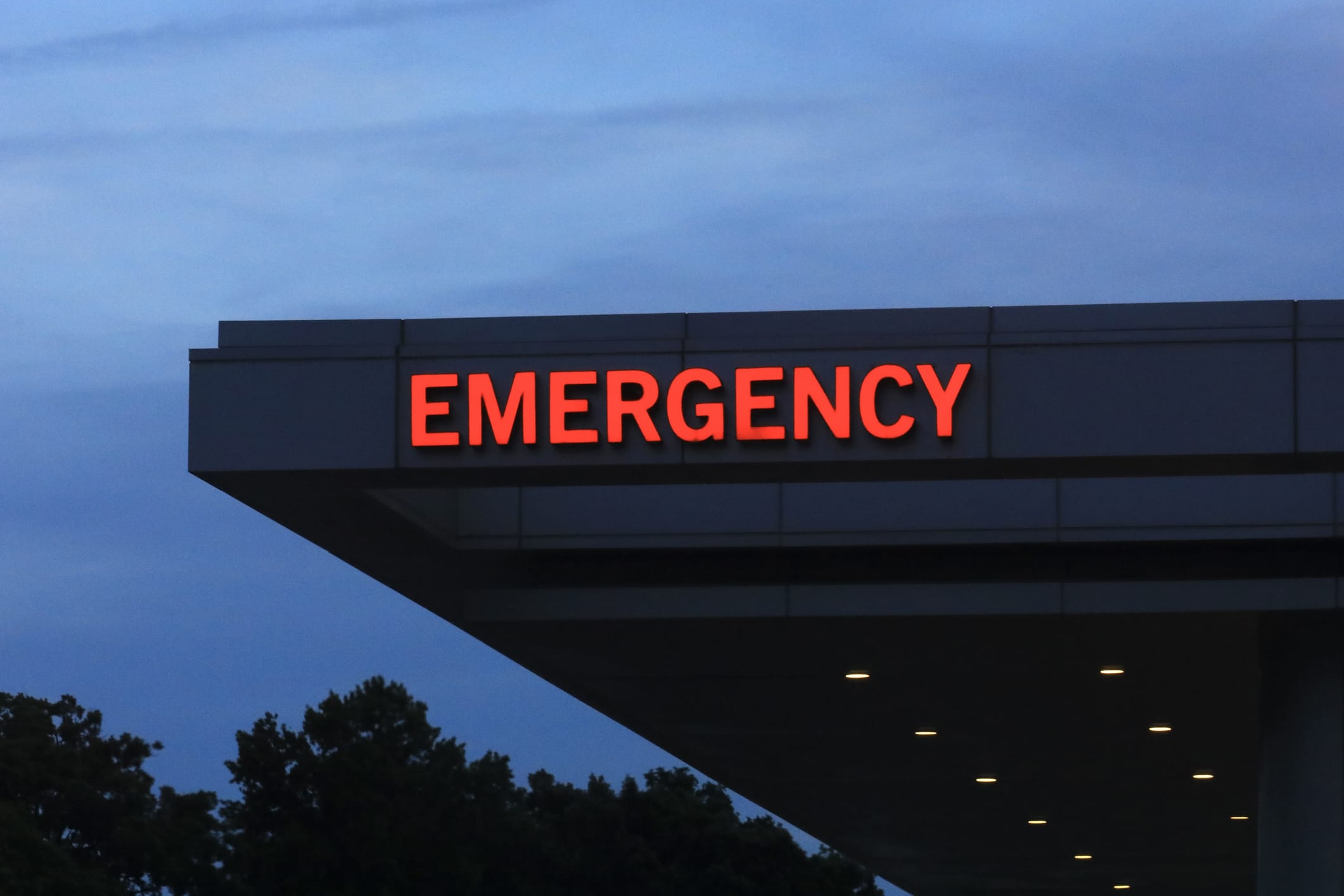
Thymidine kinase 2 deficiency (TK2d) affects the body’s ability to maintain healthy muscle cells, often leading to progressive muscle weakness and, in some cases, respiratory complications.
Because symptoms can become urgent during illness or metabolic stress, families are often advised to plan ahead for potential emergencies rather than waiting until a crisis happens.
What emergencies can occur with TK2d?
TK2d is a mitochondrial disease that impairs energy production in muscle cells, which can make the body more vulnerable during periods of stress such as infections, dehydration, fasting or surgery. In some cases, what might be a routine illness in others, such as a chest infection, can lead to rapid deterioration in breathing or muscle function.
Respiratory weakness is one of the most common reasons individuals with TK2d may require urgent medical attention. When this occurs, the risk of aspiration and lung infections, such as pneumonia, increases. Respiratory failure is common among infants with TK2d and is a medical emergency.
Other complications like seizures, difficulty swallowing and rapid loss of motor function can also escalate quickly, requiring urgent medical attention.
How to make sure your family is prepared
While TK2d can often feel like an overwhelming, unpredictable disease, being prepared for the worst can help families feel more empowered. It can also enable faster, more efficient care should an emergency arise.
Preparation often starts with clear communication between families and healthcare teams. Many specialists recommend having a written emergency care packet that outlines a patient’s diagnosis and other important medical information. In an emergency, this packet can be shown to paramedics or emergency room staff.
These emergency care packets can be stashed in cars, diaper bags, in an accessible place in the home (such as on the refrigerator), as well as on file at schools and with the local emergency department.
What information to include in emergency care packets
There’s no one-size-fits all for creating an emergency care packet. Information should be personalized to your family’s needs and signed off by your healthcare team. Generally, information in emergency care packets may include:
- A cover sheet with basic information like full name, date of birth, diagnosis and any barriers to communication.
- A brief explanation of TK2d and how it affects the individual day to day.
- A current list of medications, supplements and doses.
- A list of allergies and types of reaction.
- A history of past surgeries, including dates and complications.
- An emergency contact list of caregivers.
- Contact details for all physicians and specialist on the patient’s care team.
- Insurance information.
- A copy of any existing emergency or hospital care plan letter.
Ultimately, creating an emergency plan with TK2d can help ease stress during an extremely overwhelming situation. Providing medical staff with the most relevant and up-to-date information can expedite care and help improve patient outcomes.
Sign up here to get the latest news, perspectives, and information about TK2d sent directly to your inbox. Registration is free and only takes a minute.
