
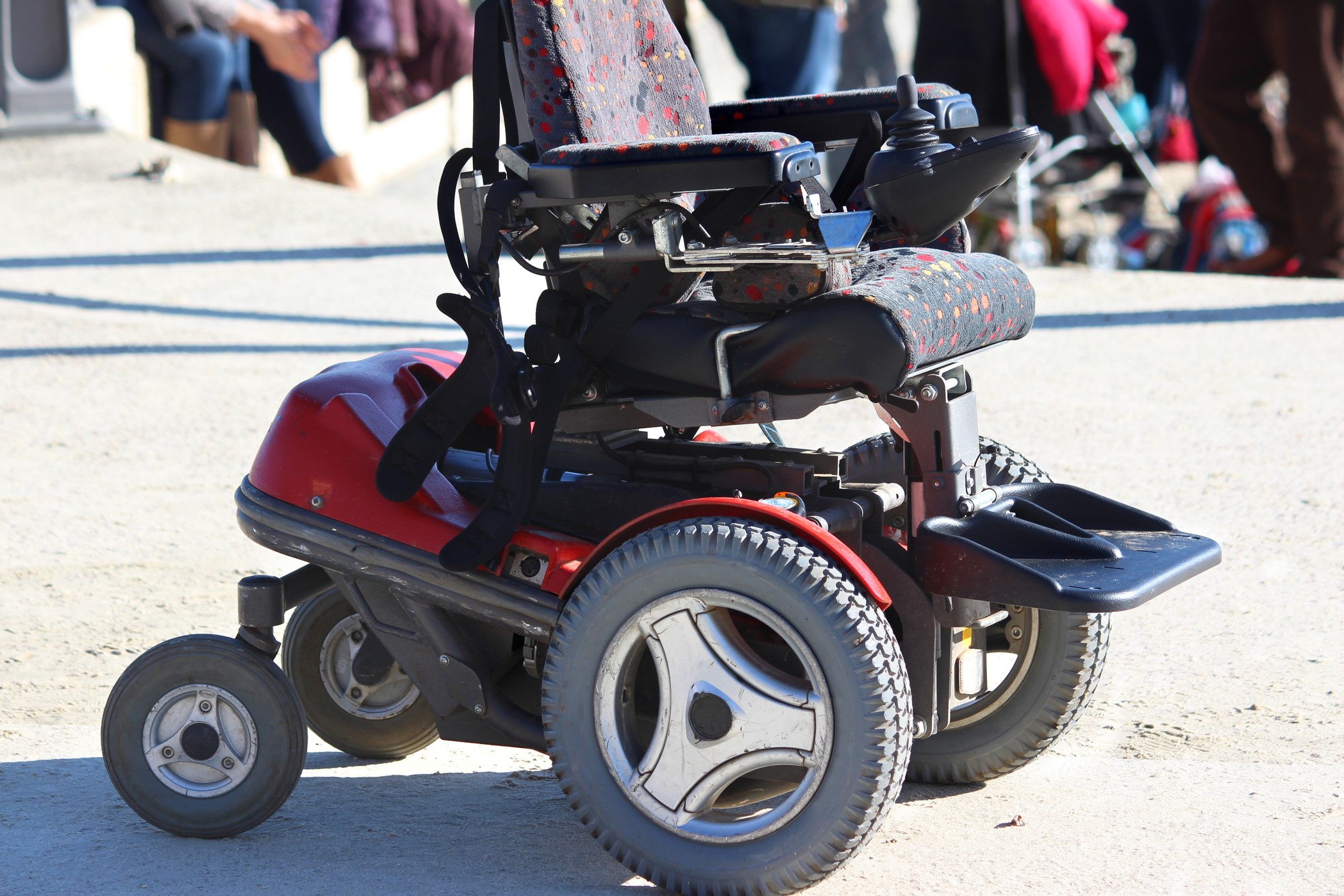
Thymidine kinase 2 deficiency (TK2d) is characterized by progressive muscle weakness due to mutations in the TK2 gene. The vast majority of patients with the disease will experience changes in mobility over time.
Witnessing these changes can be frightening, but knowing what to expect can help you plan ahead and anticipate future challenges.
Mobility changes to expect with TK2d
The timing of mobility changes due to TK2d will vary widely depending on subtype. There are three major types of TK2d: early-onset, childhood-onset and late-onset TK2d.
Read more about TK2d types
Early-onset TK2d
Early-onset TK2d is the most severe form of the disease. Most patients begin to experience symptoms before one year of age, and many either never learn how to walk or lose the ability to do so very quickly.
Childhood-onset TK2d
Childhood-onset TK2d is generally less severe than early-onset TK2d, with symptoms arising between 1 and 12 years of age. With this subtype, most individuals lose the ability to walk around age 10.
Late-onset TK2d
Late-onset TK2d is the rarest subtype of the three and progresses the slowest, with symptoms beginning after age 12. Patients with late-onset TK2d often use mobility aids, but some can maintain the ability to walk.
Rehabilitative therapy
Therapy can help navigate these mobility challenges. While physical therapy focuses on strength and movement, occupational therapists can provide many useful tips for managing day-to-day life. For patients with TK2d, physical and occupational therapy provide many benefits, including:
- Preserving muscle strength.
- Learning how to properly use mobility aids such as wheelchairs, walkers or canes.
- Preventing joint contractures.
- Maintaining independence and quality of life.
Exercise
Regular exercise is often recommended to individuals with mitochondrial diseases. Exercise not only helps your body produce mitochondria but can also improve coordination, mobility and flexibility.
There are many ways to safely stay active with TK2d, including swimming, walking and yoga. For younger children, turning exercise into a game is a quick and easy motivator. Try creating an obstacle course, doing a few rounds of freeze dance or playing a game of balloon volleyball.
When it comes to exercising with TK2d, what’s most important is that you stick to a consistent routine and listen to your body. Knowing when to take breaks to rest and recharge is critical. If you have concerns, exercise physiologists or physical therapists can work with you to put together a safe exercise plan.
Adaptive equipment
There are many different pieces of adaptive equipment to help with daily life, such as:
- Eating and drinking: Special utensils, dishware and devices to open food packaging are available.
- Dressing: Many devices exist to pull on shoes or socks and zip up clothing. You can also purchase elastic shoelaces, which don’t need to be repeatedly tied and untied.
- Hygiene: When it comes to hygiene, long-handled combs, toothbrushes or sponges can provide maximum reach.
- Getting around the house: You may consider purchasing door knob extenders or light switch enlargers.
Using these tools will improve the accessibility of your surroundings while also reducing unnecessary strain on your body.
Reaching out for help
Mobility changes bring with them a lot of challenging emotions. Know that help is always available, whether you need practical advice or just someone to talk to.
Sign up here to get the latest news, perspectives, and information about TK2d sent directly to your inbox. Registration is free and only takes a minute.
