
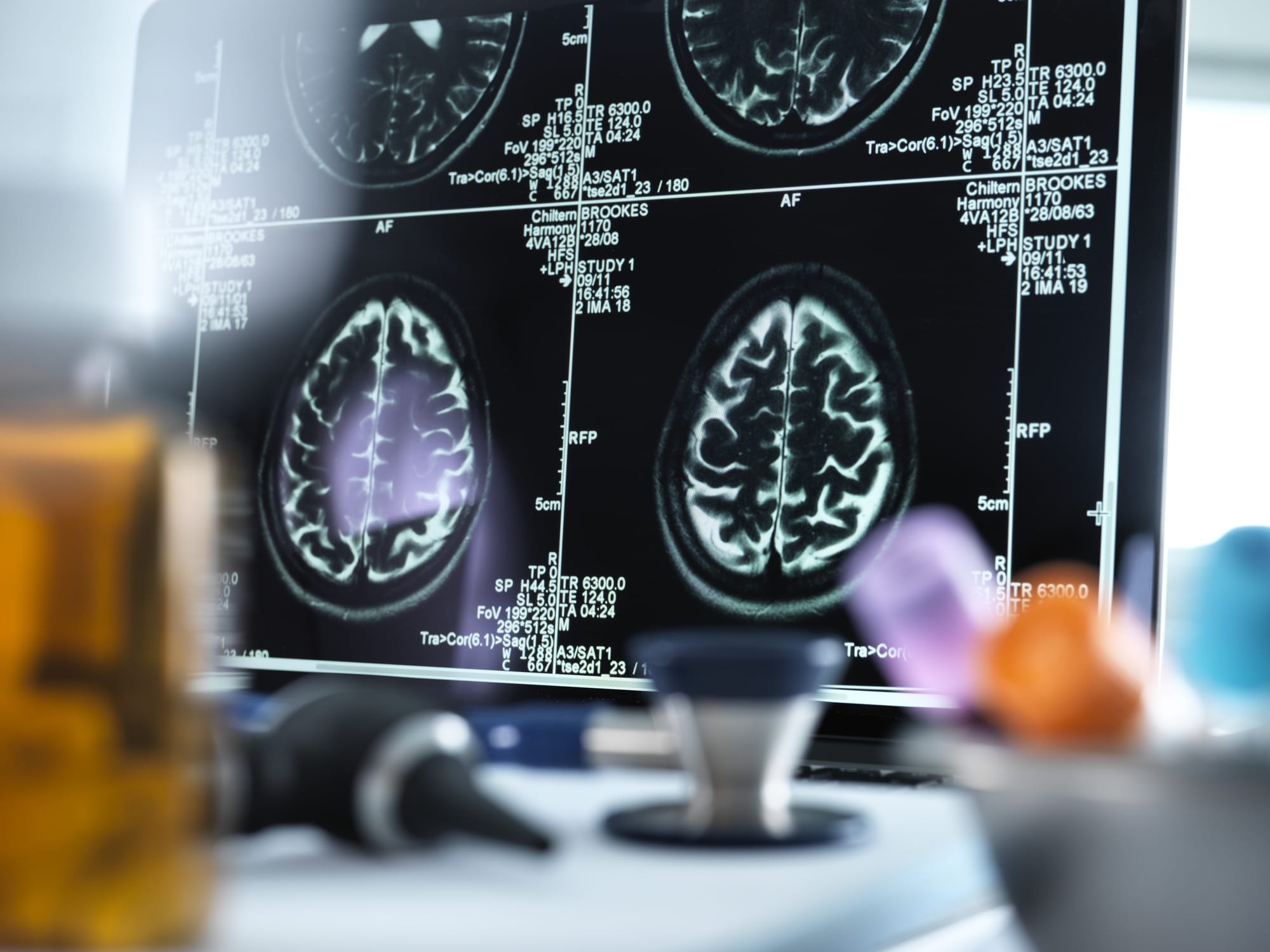
As a mitochondrial disease, thymidine kinase 2 deficiency (TK2d) can have severe effects on the nervous system, as brain and nerve cells rely on energy from the mitochondria.
The prevalence and severity of neurological involvement in TK2d may vary by subtype, with symptoms most common in infantile-onset disease.
Why does TK2d impact the nervous system?
The nervous system uses a lot of energy — up to 20% of the energy that the body produces.
To produce energy, each of your neurons relies on a process known as mitochondrial oxidative phosphorylation (OXPHOS), the final stage of cellular respiration. Particularly during the early stages of brain development, the mitochondria are crucial for supporting the growth of nervous system cells and networks.
In patients with TK2d, mitochondrial function is impaired because mutations in the TK2 gene interfere with the body’s ability to maintain mitochondrial DNA. As a result, numerous neurological and developmental pathways can become disrupted.
Much remains unknown regarding how primary mitochondrial diseases like TK2d impact the countless mechanisms of nervous system function. Still, accumulating evidence highlights the wide range of neurodevelopmental and neurodegenerative features of these conditions.
Neurological manifestations of TK2d
TK2d is primarily characterized by progressive muscle weakness. However, approximately 30% of infants with the disease are estimated to experience central nervous system involvement.
Neurological symptoms of TK2d may include:
- Seizures.
- Cognitive difficulties.
- Encephalopathy, or brain dysfunction.
- Microcephaly, a condition in which a child’s head is much smaller than expected.
- Vision loss.
- Hearing loss.
Patients might also experience dysarthria and dysphagia, which impact the ability to speak and swallow, respectively.
Some individuals with late-onset TK2d may develop sensory peripheral neuropathy, which can lead to tingling, numbness and pain, especially in the hands and feet.
Read more about TK2d signs and symptoms
Neuroimaging findings in TK2d
In patients with TK2d and central nervous system involvement, imaging studies may reveal brain atrophy. In some cases, abnormalities in the brain’s white matter or basal ganglia may also be detected. Other uncommon findings include underdeveloped myelination of the nerves and a lack of folds and grooves in the brain.
However, TK2d doesn’t always show neuroimaging findings, so normal imaging results don’t necessarily rule out a diagnosis.
Treating neurological symptoms
Addressing the neurological manifestations of TK2d depends on a patient’s specific symptoms. Treatment may include various supportive measures, which may consist of a combination of occupational and physical therapy.
Multidisciplinary care that incorporates expertise from neuromuscular neurologists is crucial for managing progressive nervous system symptoms.
Sign up here to get the latest news, perspectives, and information about TK2d sent directly to your inbox. Registration is free and only takes a minute.
