
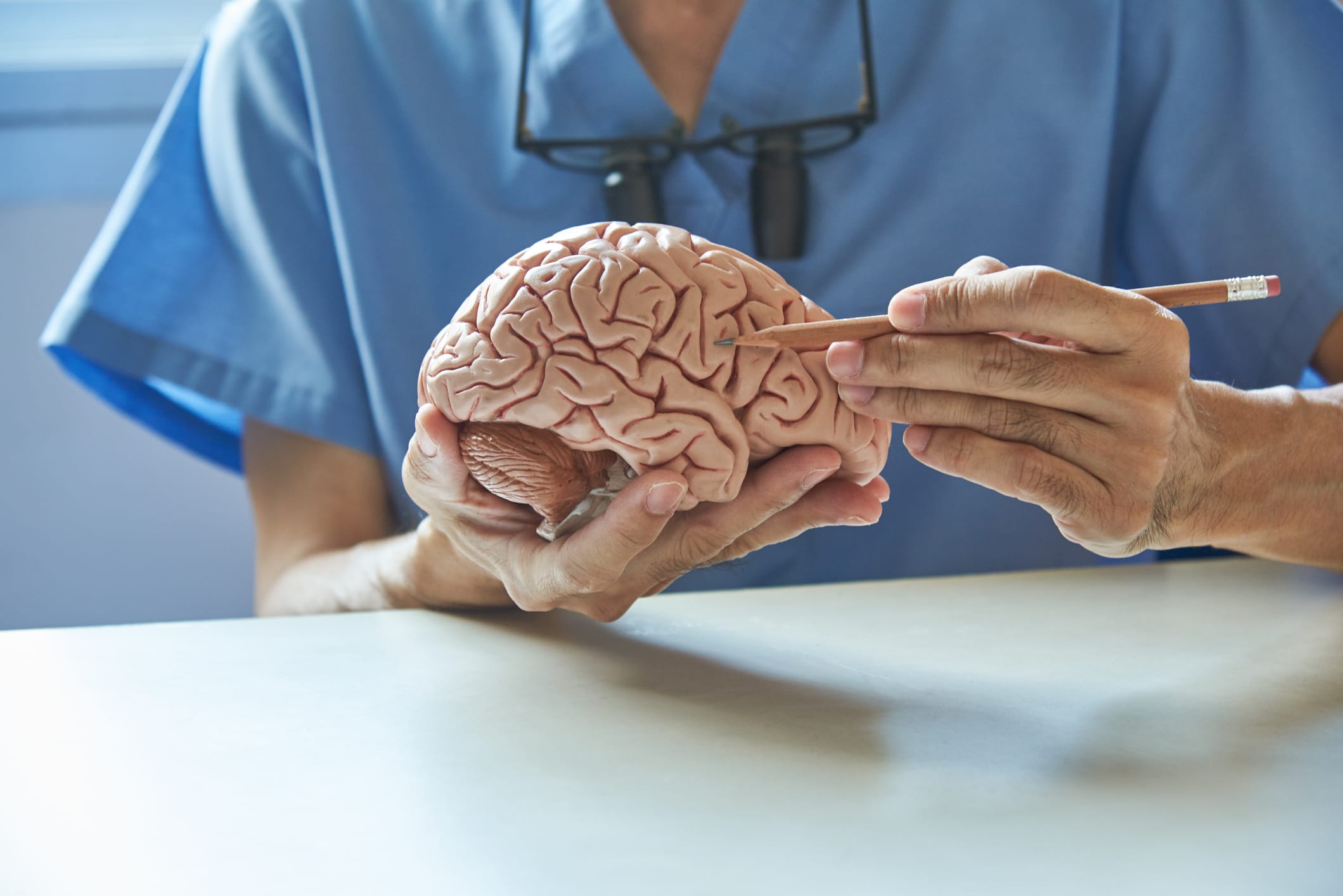
Encephalopathy is an umbrella term for any condition that impacts the structure or function of the brain. Although thymidine kinase 2 deficiency (TK2d) is primarily characterized by progressive muscle weakness, some patients develop central nervous system involvement, which can include encephalopathy.
In general, encephalopathy is a sign of infantile-onset TK2d, which occurs before one year of age.
How common is encephalopathy in TK2d?
The prevalence of encephalopathy in TK2d depends on the subtype. For example, around 30% of those with infantile-onset TK2d experience nervous system symptoms, including encephalopathy. In childhood-onset TK2d, which occurs between one and 12 years of age, fewer than 20% of patients experience symptoms beyond the skeletal muscle such as encephalopathy.
Encephalopathy is uncommon in late-onset TK2d.
Read more about TK2d types
Symptoms of encephalopathy
Because encephalopathy encapsulates several conditions, the symptoms vary from person to person depending on the underlying cause. However, infants with TK2d who develop encephalopathy may experience:
- Seizures, including intractable epilepsy.
- Hearing impairment.
- Delayed developmental milestones.
- Cognitive difficulties.
Read more about TK2d symptoms
How is encephalopathy diagnosed?
Encephalopathy is diagnosed through a combination of clinical examinations, blood tests, imaging and neurological tests to assess changes in brain function. Doctors may recommend a computed tomography (CT) or magnetic resonance imaging (MRI) scan to get a better view of the brain and look for changes that are triggering symptoms.
An electroencephalogram (EEG) is a painless and noninvasive test that measures the brain’s electrical activity. The test involves applying electrodes to the head and monitoring brain wave changes with different behaviors and stimuli, such as resting with eyes shut, looking at a bright light or breathing quickly and deeply. EEGs are often performed in a doctor’s office, but if your care team wants to conduct a longer-term test, they might send you home with a portable unit.
Your doctor may also perform a lumbar puncture to check the cerebrospinal fluid for any abnormalities.
Can encephalopathy be treated?
For metabolic disorders such as TK2d, treatment of encephalopathy may focus more on comfort care or disease-specific treatment. Some more general steps you might wish to take can involve:
- Agitation relief: Do your best to create a relaxing, quiet environment for your child to help minimize confusion or distress.
- Symptom management: Medications are available to treat specific issues like seizures or sleeping difficulties. While these options don’t address the root cause, they can significantly improve quality of life.
- Cognitive therapy: Cognitive therapy for infants with TK2d may focus less on developing language skills and more on sensory stimulation. Gentle noises, movements or visual cues are a few activities that can be used during cognitive therapy.
Sign up here to get the latest news, perspectives, and information about TK2d sent directly to your inbox. Registration is free and only takes a minute.
