
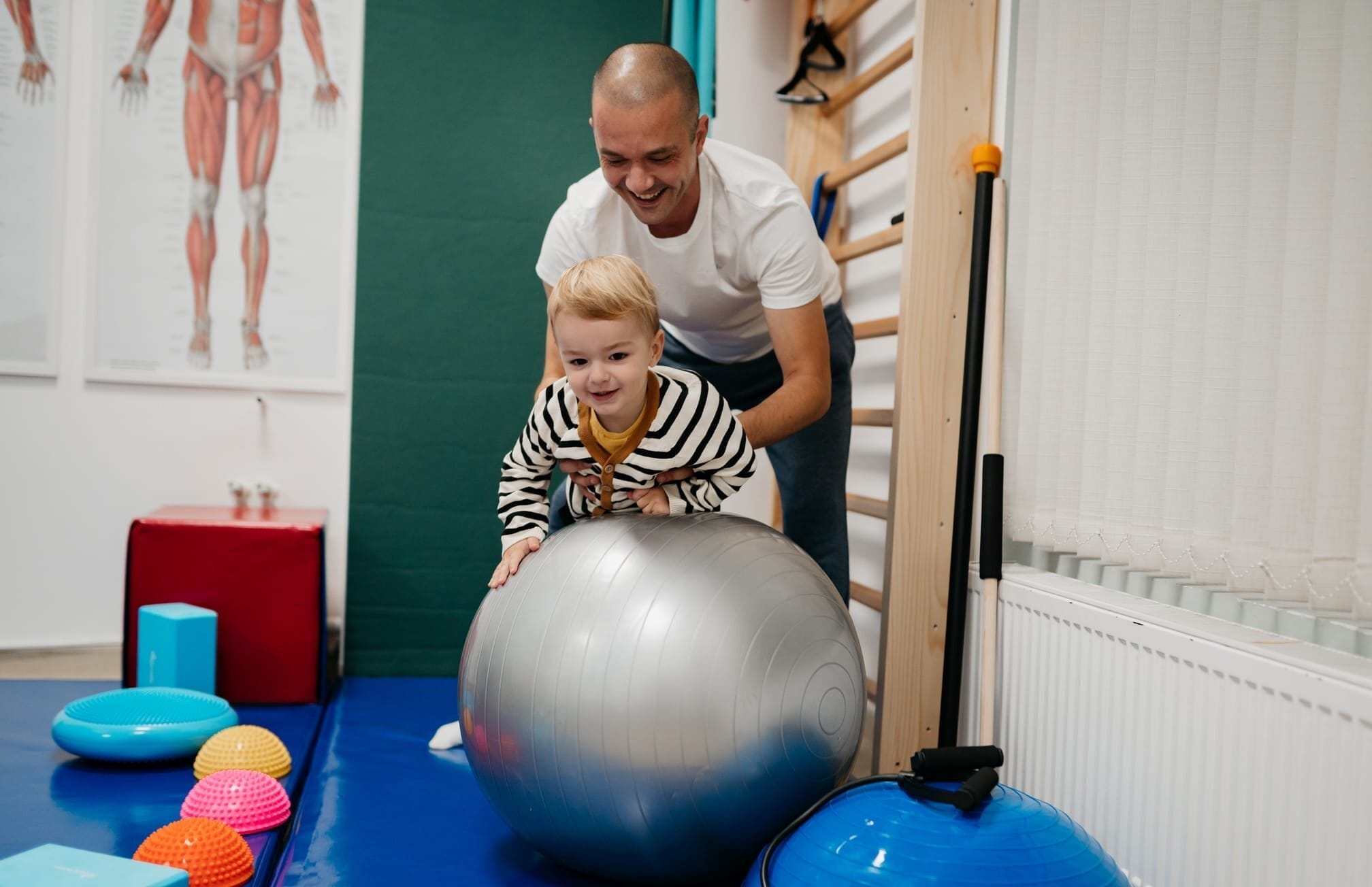
Thymidine kinase 2 deficiency (TK2d) causes progressive muscle weakness, impacting functional movement and independence. While there is no cure for the disease, a physical therapist can help make daily life a little better: working with a physical therapist can reinforce muscle strength, improve functional capacity and support daily activities.
The role of a physical therapist in TK2d
Care for TK2d means a multidisciplinary approach: patients with TK2d will likely work with a mitochondrial disease expert, a nutritionist, a neuromuscular neurologist, a pulmonologist and physical and occupational therapists.
A physical therapist provides essential support in maintaining muscle function and range of motion. They focus on adapting movements, strengthening muscles and improving mobility, flexibility and coordination.
A physical therapist can also help suggest and introduce assistive and mobility devices based on a patient’s needs.
Why physical therapy matters in TK2d
While disease progression and its impact on muscle strength can vary in each subtype and from person to person, as TK2d progresses muscles in different parts of the body will weaken and lose function. Physical therapy can help improve different muscle functions and prevent complications.
Respiratory and cardiac muscles: Deteriorating muscle strength can cause shortness of breath, shallow breathing, difficulty when coughing and increase the risk of respiratory infections. Weakened breathing muscles can be life-threatening and require non-invasive ventilation and eventually, invasive ventilation.
Eating, swallowing and speaking muscles: The risk of choking increases over time as these muscles weaken. Speech can become slurred, affecting communication.
Proximal limb muscles such as the shoulders, hips and thighs: The functional strength of these muscles are essential to mobility, range of motion and endurance.
Neck and torso muscles: As these muscles weaken, they affect posture, balance and head control, contributing to spinal curvature.
Ways in which physical therapy is key in TK2d
Reinforcing muscle function contributes to mobility and physical capacity; as a result, it can improve quality of life with TK2d.
A physical therapist will create a tailored program that considers an individual’s specific symptoms, disease progression, age, fitness level and requirements to support daily life. This program might include:
Muscle strengthening exercises: Elastic bands or light weights will improve muscle strength, without increasing muscle bulk or putting pressure on the body.
Stretching and range of motion exercises: A daily program of stretches will support joint health, posture and balance, as well as reduce feelings of stiffness.
Deep breathing: The respiratory muscles can be reinforced through deep breathing to support breathing efficiency.
Light cardio exercises: If light exercise is possible for a patient, low-impact cardio such as easy walks, cycling or swimming can help improve endurance.
Movement adjustments: Finding ways to conserve energy and avoid unnecessary fatigue can make it easier to participate in daily life.
Assistive devices: There are many ways to support function in daily life through assistive devices, such as leg and back braces, walkers, breathing support and communication technology.
Sign up here to get the latest news, perspectives, and information about TK2d sent directly to your inbox. Registration is free and only takes a minute.